On this page
People who move from store eggs to backyard eggs hear two opposite rules. Some say never wash eggs. Others say always wash them. Both have a point, and the Extension Foundation’s poultry program notes that even specialists disagree.
What they agree on is how to do each safely.
Key figures
- 20°F Minimum wash-water warmth above the egg's temperature
- 90°F Minimum water temperature when washing eggs
- 40°F Maximum egg refrigeration temperature, per Penn State
What washing removes
A freshly laid egg is covered in a thin coating called the cuticle, or bloom. Penn State Extension explains that it protects the egg by sealing the natural pores in the shell, but that it loses effectiveness over time and is damaged or removed by brushing, washing or rough handling.
The shell is porous. Water, and anything in it, can be drawn inside, especially when the water is colder than the egg and the contents contract.
Keep eggs clean so you rarely need to wash
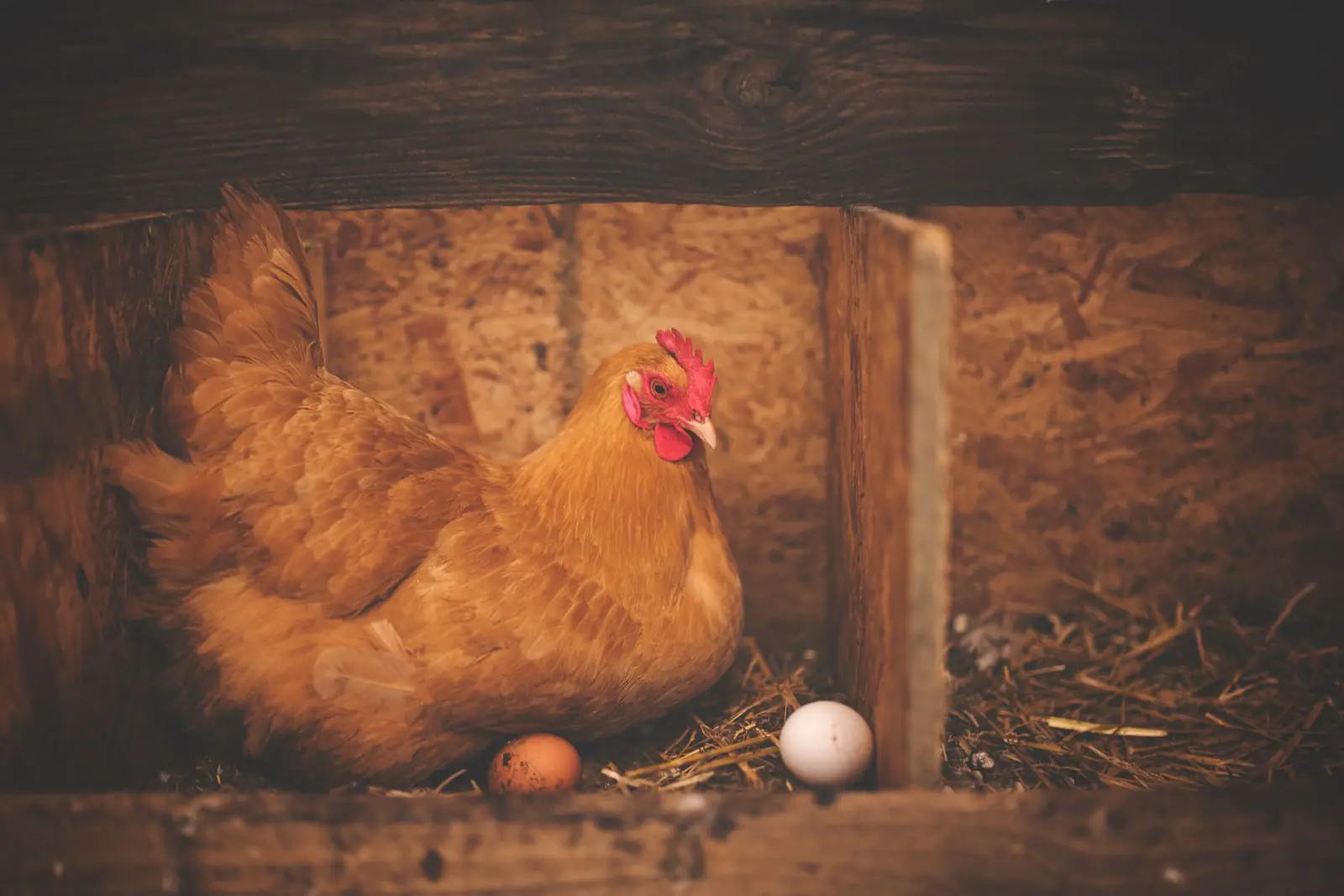
- Collect eggs at least once a day, more often in heat or cold.
- Keep nest boxes clean with fresh bedding.
- Block hens from sleeping in the nests, where they leave droppings.
- Brush off light dirt with a dry cloth or fine sandpaper.
- Set aside cracked eggs. Do not eat them raw or lightly cooked.

If you do wash, do it right
Penn State Extension’s instructions for home flocks:
- Do not submerge eggs. Wash one at a time under or in running water.
- Use water at least 20°F warmer than the egg’s internal temperature, and at least 90°F.
- Use a food-safe detergent, and do not scrub the shell.
- Rinse, then dry the egg before storing it.
- Refrigerate washed eggs, since the bloom is gone.
Penn State Extension recommends refrigeration at or below 40°F. Temperature swings let bacteria grow, so once an egg is refrigerated, keep it that way. Covered and stored ends down, eggs keep safely for at least a month.
Selling eggs changes the rules
If you sell eggs, even to neighbors, your state may set rules on washing, grading, labeling and refrigeration. Check with your state department of agriculture first.
The backyard Salmonella guide puts egg handling alongside contact with birds. The egg-selling budget includes the separate requirements of offering eggs to others.
Questions people ask
Do I have to refrigerate fresh eggs?
Washed eggs must be refrigerated. Unwashed eggs keep their bloom, but refrigeration at 40°F or below is still the safest choice and keeps quality longer.
Why are store eggs refrigerated in the US?
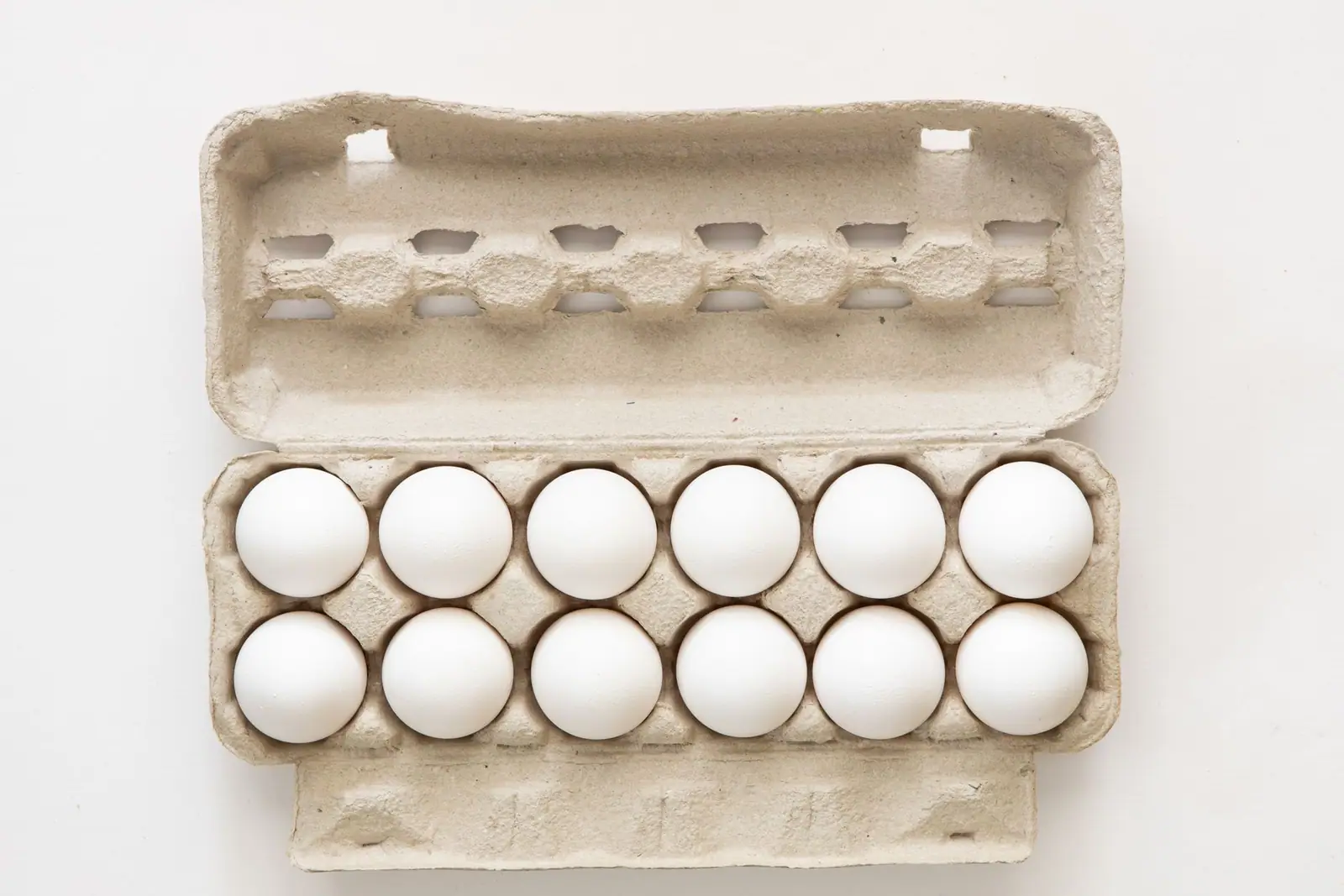
Commercial US eggs are washed, which removes the bloom, so they must be kept cold.
Can I wash eggs in cold water?
No. Cold water makes the egg contents contract and can draw water and bacteria through the shell. Use water at least 20°F warmer than the egg.
Is water glassing a safe way to store eggs?
Penn State Extension does not recommend it, because submerged eggs can take in water and anything in it.
Where these figures come from
- How to Safely Handle and Store Eggs from Your Home Flock Penn State Extension · extension.psu.edu
- Safe Handling of Eggs from Small and Backyard Flocks Extension Foundation, Small and Backyard Poultry · poultry.extension.org
Figures last checked September 2026.