On this page
The quote for a dog dental cleaning surprises people because they are comparing it to their own hygienist appointment. The two procedures share a name and almost nothing else. Your hygienist does not anaesthetise you, intubate you, monitor your blood pressure or take a full set of X-rays.
Understanding what is in the price makes it easier to judge whether a cheaper offer is a saving or a different procedure altogether.
How common the problem is
Cornell University’s Riney Canine Health Center reports that 80 to 90 percent of dogs over the age of three have some component of periodontal disease, and that smaller breeds are affected more often than larger ones.
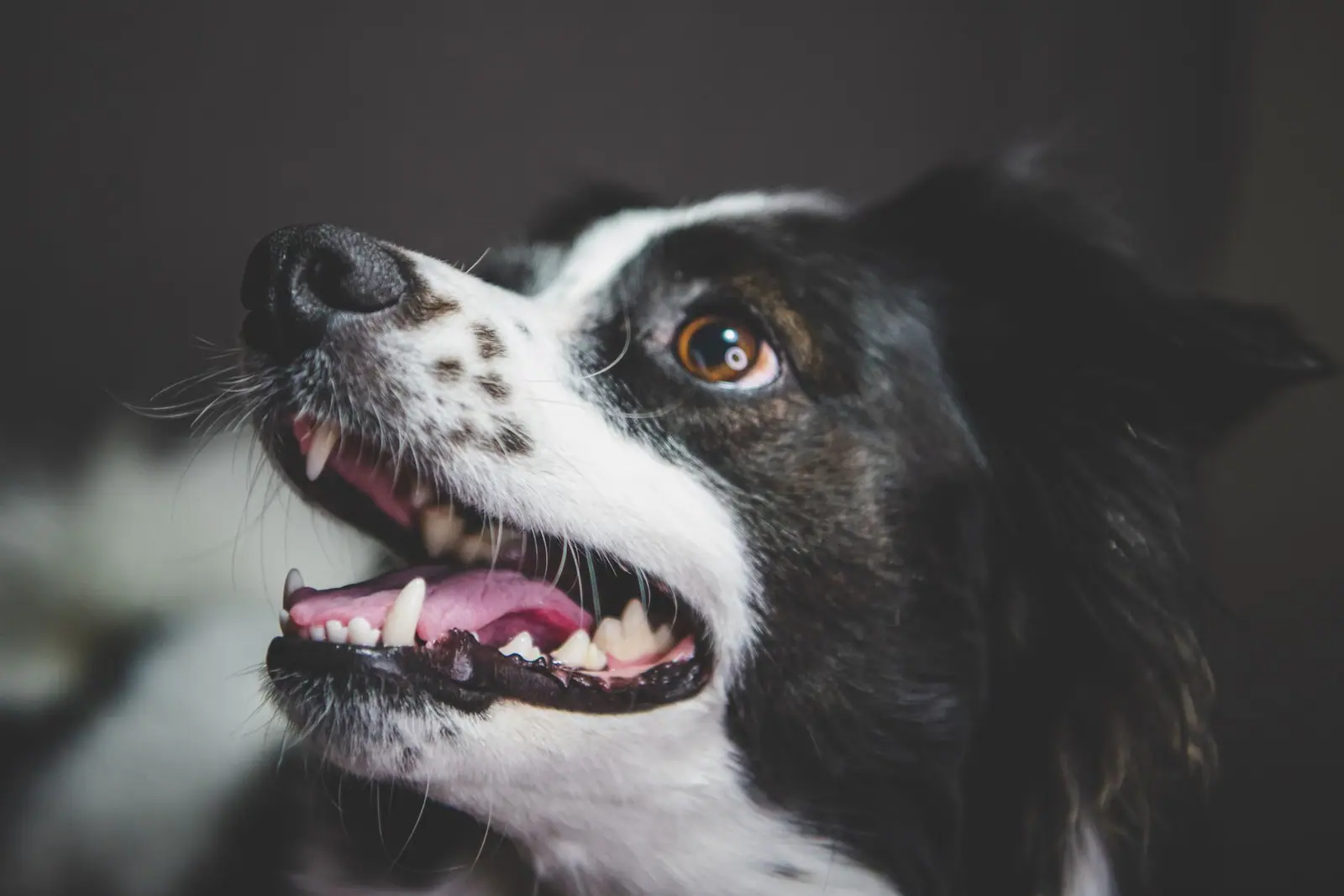
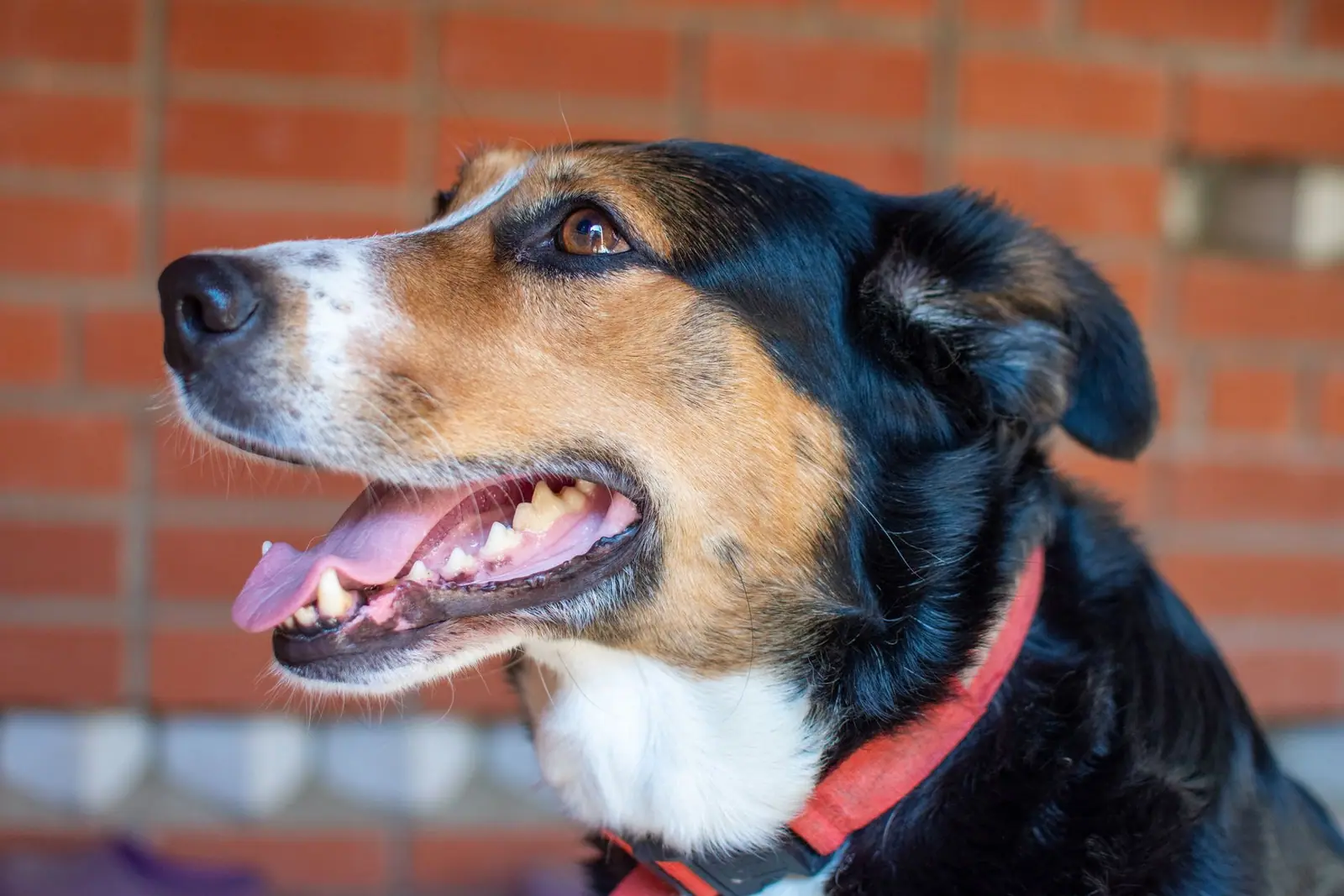
It is easy to miss because dogs keep eating. Bad breath is usually the first thing an owner notices, and by then the disease is established below the gum line, where looking in the mouth cannot reveal it.
What you are paying for
| Line | Why it is there |
|---|---|
| Pre-anaesthetic bloodwork | Checks organ function before anaesthesia. Cornell lists this, and sometimes chest X-rays and an ECG, as part of the workup |
| General anaesthesia | Required for probing below the gum line and for X-rays. AAHA states it is necessary for dental cleaning and scaling |
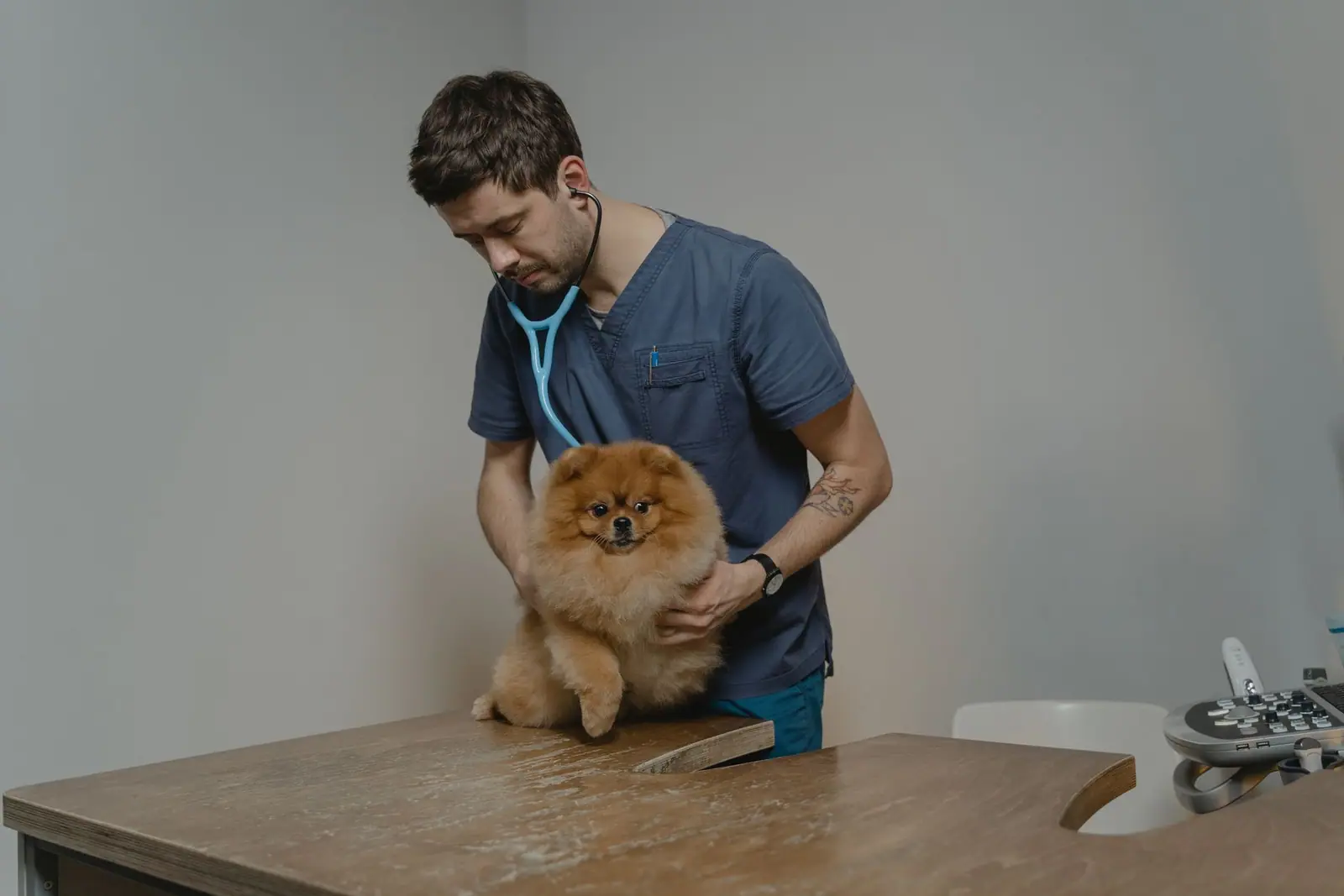
| Monitoring | A trained technician watching blood pressure, oxygen and temperature throughout |
| Full-mouth X-rays | The only way to see root disease, bone loss and abscesses |
| Ultrasonic scaling and polishing | Above and below the gum line |
| Extractions | Priced separately, and the reason two identical-looking dogs get very different bills |
Why anaesthesia-free cleaning is cheaper
Because it is a different service. The 2019 AAHA dental guidelines describe anaesthesia-free cleaning as not appropriate, citing patient stress, risk of injury, risk of aspiration and the lack of any diagnostic capability. Scraping visible tartar from an awake dog improves how the teeth look without touching the disease below the gum line.
A cleaning with no extractions is the cheapest version of this procedure. Every year of waiting raises the chance that the visit includes extractions, a longer anaesthetic, and a larger bill.
Reducing how often you need one
- Daily brushing with a dog toothpaste. Nothing else comes close, and the habit is easier to build in a puppy than in an eight-year-old dog.
- Products with proven effect. Look for the Veterinary Oral Health Council seal rather than marketing claims.
- Yearly oral exams, so problems are found while they are still small.
- Skip the bones and antlers. Slab fractures of the big chewing teeth are a common and expensive result.
The adult dog budget keeps dental treatment separate from recurring purchases. The diagnostic estimate guide explains how examination and test charges can be itemized.
Questions people ask
How often does a dog need a dental cleaning?
It depends on the dog. AAHA recommends anaesthetised dental evaluation starting at one year for small breeds and two years for large breeds, then as often as the individual mouth needs.
Is anaesthesia safe for a dental cleaning?
Modern protocols with pre-anaesthetic testing and continuous monitoring make it a routine procedure. AAHA considers the risk of leaving periodontal disease untreated the larger one.
Can I just brush and skip the cleaning?
Brushing slows plaque, which is genuinely valuable, but it cannot clean below the gum line or reveal root disease. The two are complementary, not alternatives.
Why do small dogs need more dental work?
The same number of teeth in a smaller jaw means crowding, and crowding traps plaque. Cornell notes higher periodontal disease rates in smaller breeds.
Where these figures come from
- Periodontal disease Cornell University Riney Canine Health Center · vet.cornell.edu
- 2019 AAHA Dental Care Guidelines for Dogs and Cats American Animal Hospital Association · aaha.org
- Accepted Products for Dogs Veterinary Oral Health Council · vohc.org
Figures last checked September 2026.