On this page
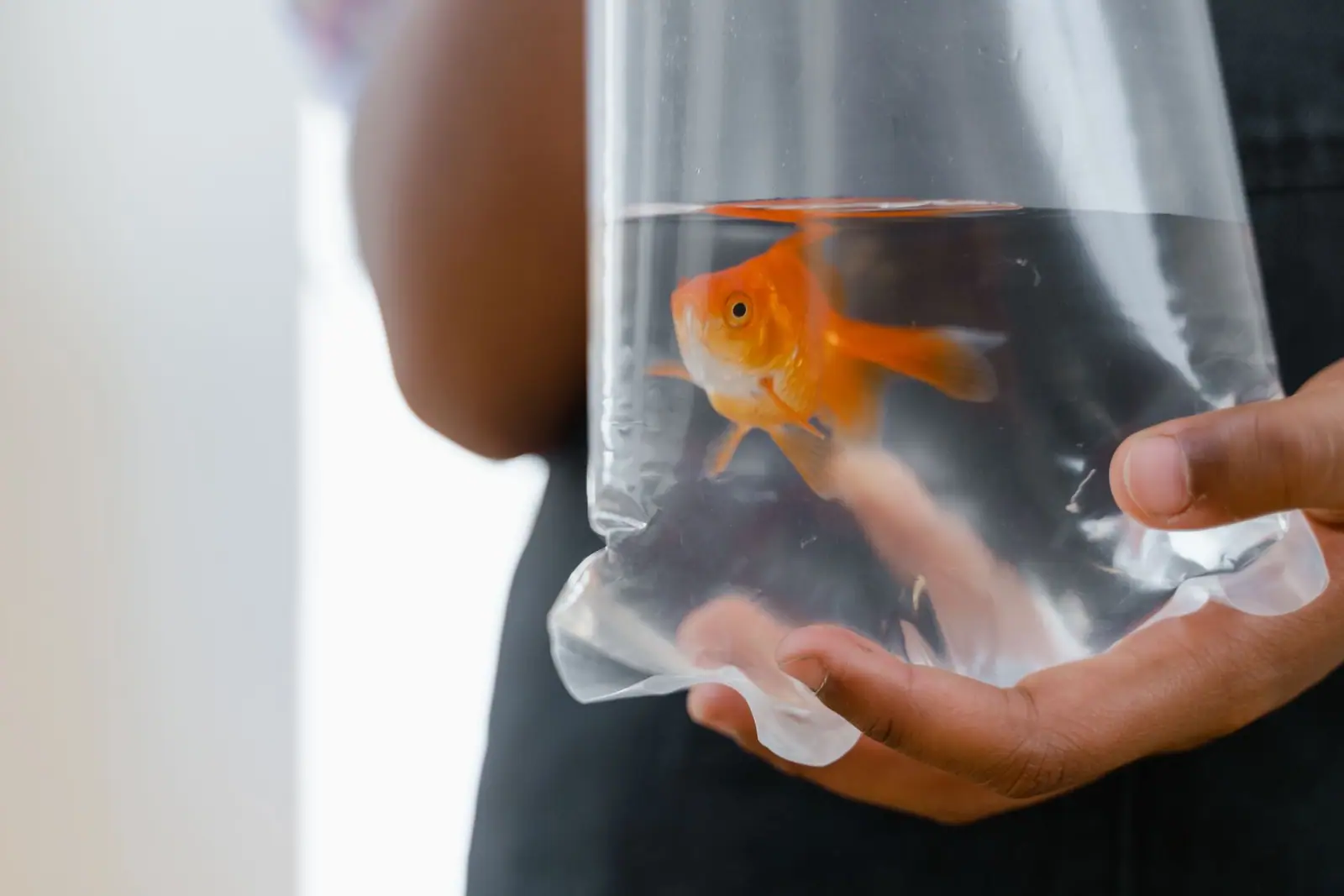
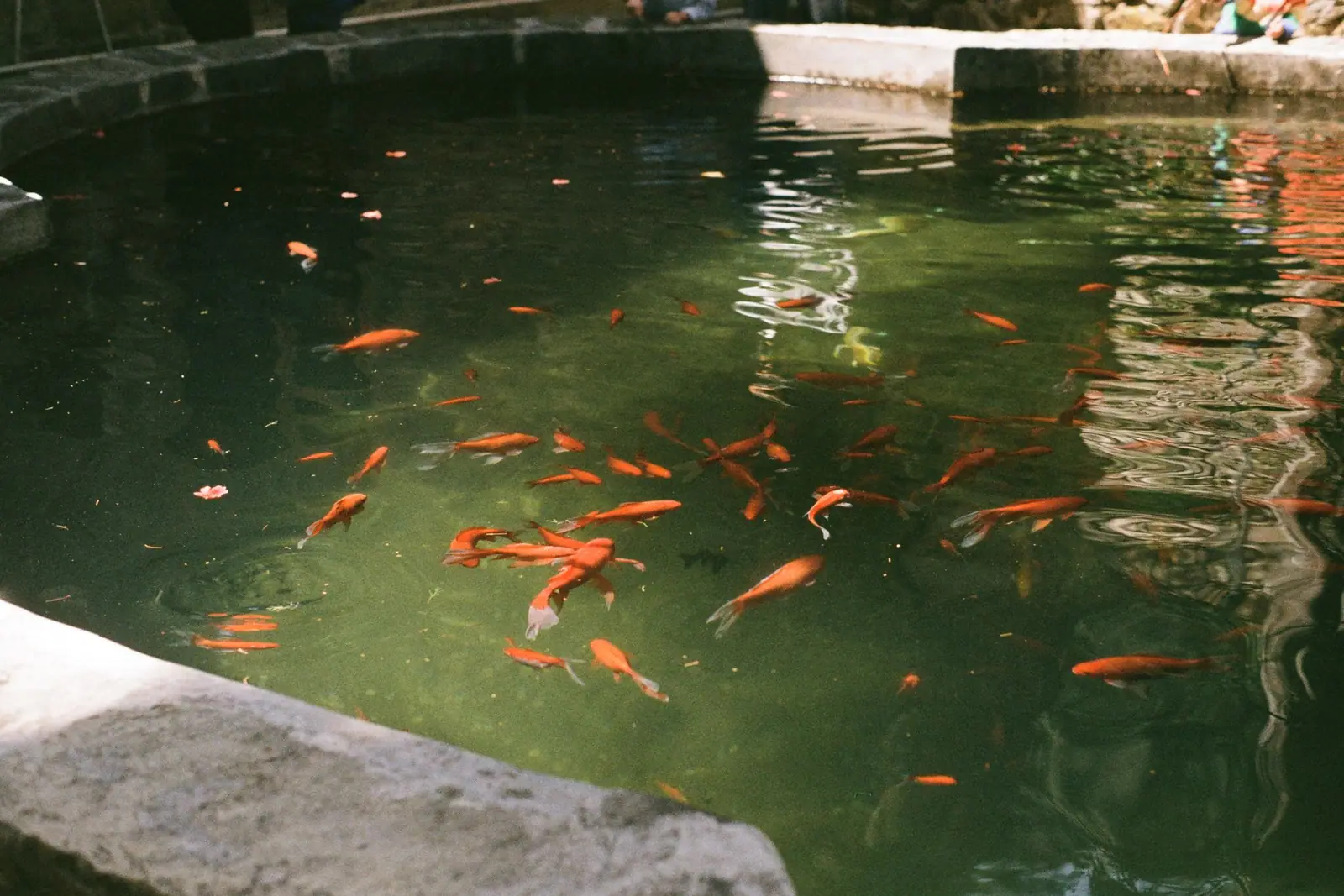
Letting a fish go in a local pond can feel like the kind choice when you can no longer keep it. For the fish it is often a slow death, and for the waterway it can be the start of a lasting problem.
Key figures
- 185 species Exotic fish species found in US open waters
- 75 Exotic fish species breeding in US open waters
The scale of the problem
The US Geological Survey reports that at least 185 species of exotic fishes have been caught in open waters of the United States, that 75 have established breeding populations, and that over half of these introductions come from the release or escape of aquarium fish.
- Caught in open watersat least 185
- With breeding populations75
From the USGS Nonindigenous Aquatic Species program. The USGS says over half of these introductions are due to released or escaped aquarium fish.
Why released fish cause harm
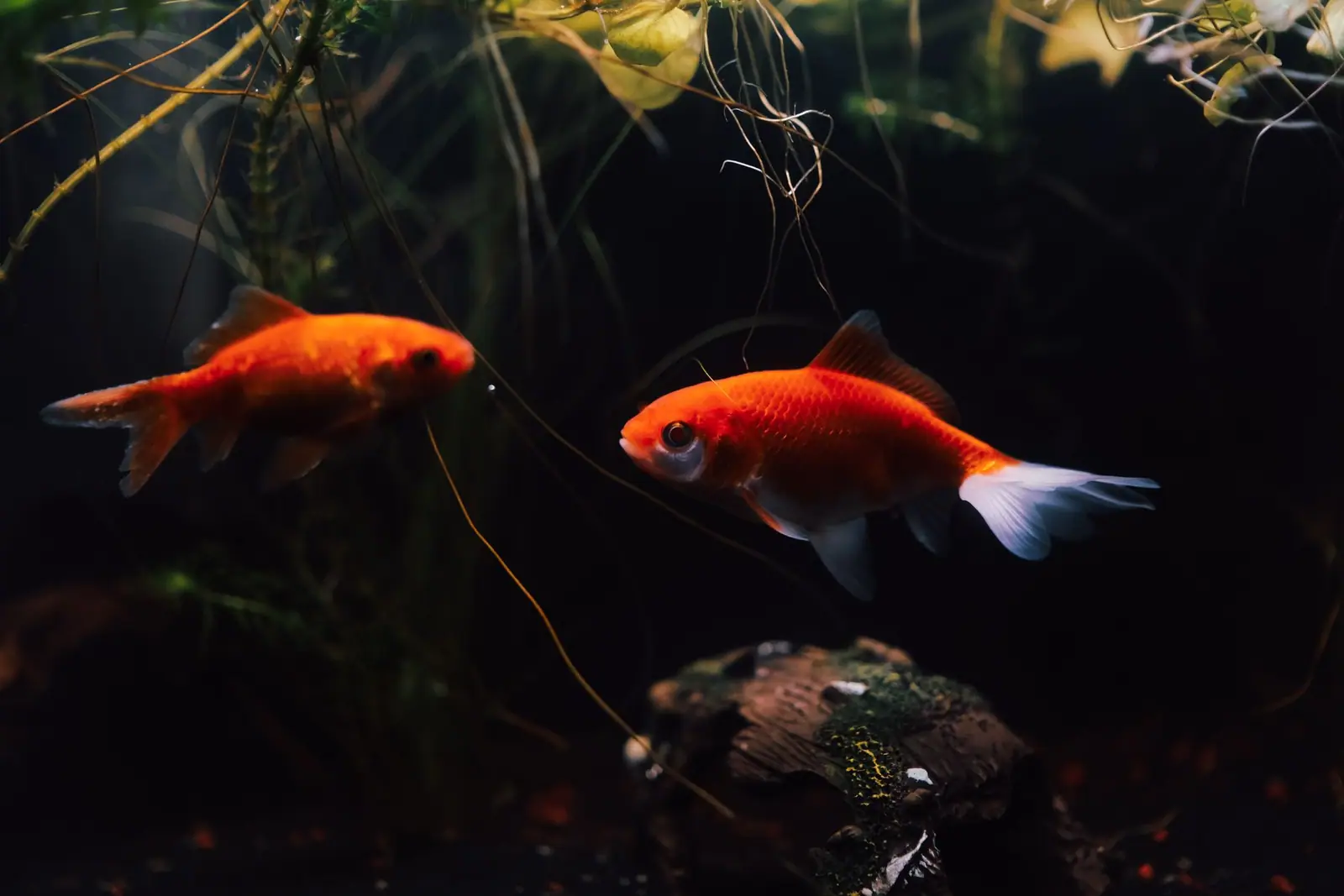
The USGS notes that most tropical aquarium fish cannot survive cold winters, which is why many introduced species have established in Florida, Texas and the Southwest. Goldfish are an exception: the USGS describes them as one of the few temperate aquarium species established throughout the US.
Released fish can compete with native fish, eat their eggs, spread parasites and diseases, and change habitats.
Better options
- Ask your local fish store whether it takes surrenders or trades.
- Contact a local aquarium club, where members often rehome fish.
- Offer the fish to another keeper through community groups.
- Ask a veterinarian about humane euthanasia for a sick fish that cannot be rehomed.
Do not dump tank water, snails or plants into streams, ponds or storm drains. Invasive plants and hitchhiking animals travel that way too.
The quarantine guide covers bringing fish into an existing system responsibly. The aquarium moving guide addresses a household change that may otherwise prompt a rushed rehoming decision.
Questions people ask
Is it OK to release a goldfish into a pond?
No. Goldfish survive in cold water, grow large and can harm native species. The USGS describes them as established throughout the US.
What can I do with fish I no longer want?
Ask a local fish store, an aquarium club or another keeper to take them.
Is releasing aquarium fish illegal?
In many states it is prohibited to release non-native species. Check your state wildlife agency's rules.
Can I flush a dead fish?
It is better to put it in the trash. Flushing can spread disease and is not good for plumbing.
Where these figures come from
- Don't Release: Alternatives to Releasing Aquarium Fish US Geological Survey · nas.er.usgs.gov
- Goldfish (Carassius auratus) Species Profile US Geological Survey · nas.er.usgs.gov
Figures last checked September 2026.