On this page
The advice to keep a puppy at home until the final vaccination is well meant and badly timed. It protects against a disease risk that can be managed, at the cost of missing the one developmental window that cannot be reopened.
The American Veterinary Society of Animal Behavior has a position statement on exactly this, and it is unusually direct.
Key figures
- 7 to 8 weeks AVSAB earliest puppy socialization class age
- seven days Minimum time after first vaccines before class
What AVSAB recommends
Its statement says the primary and most important socialisation period is the first three months of life, and that puppies should be exposed to as many new people, animals, places and experiences as can be managed safely without overwhelming them.
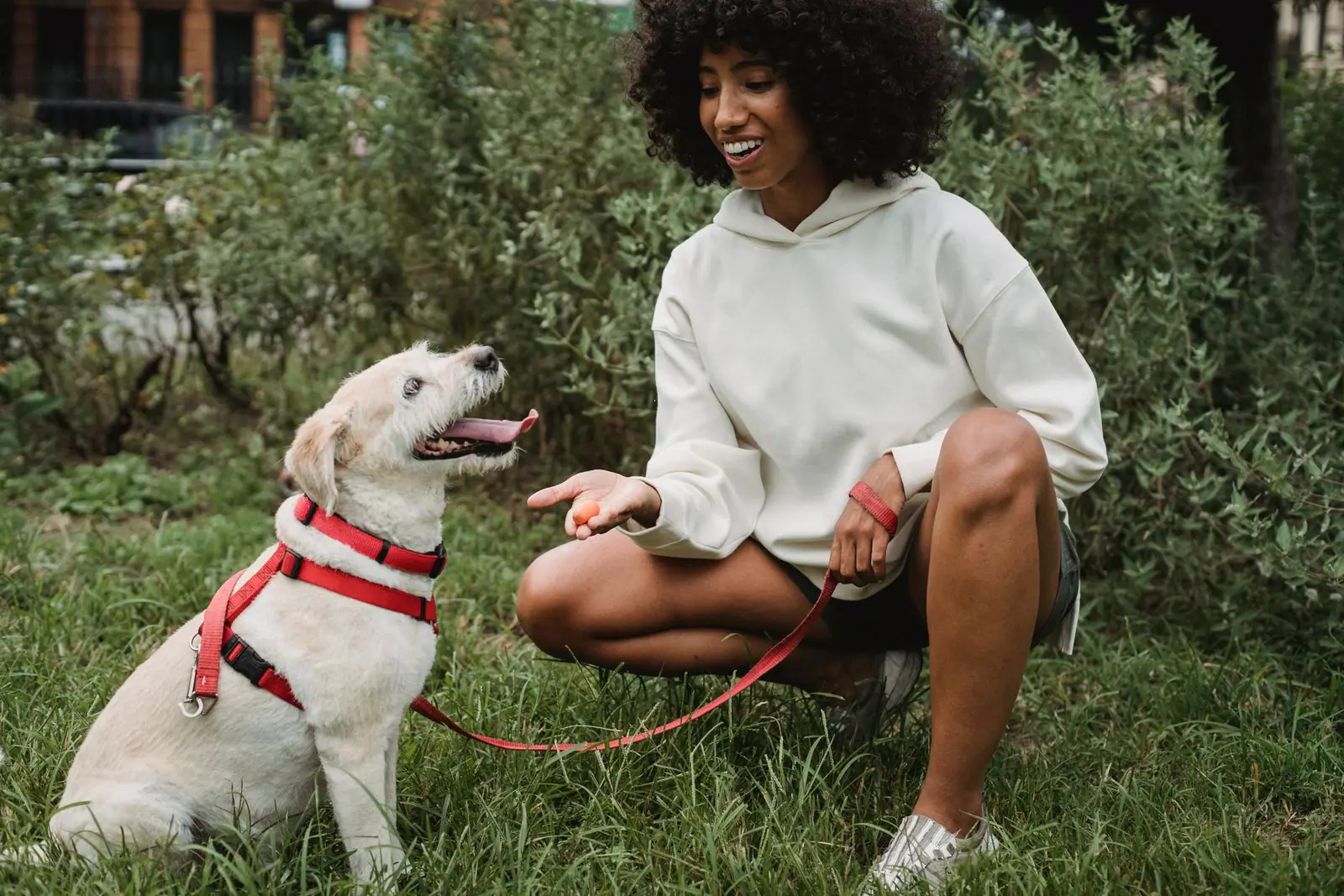
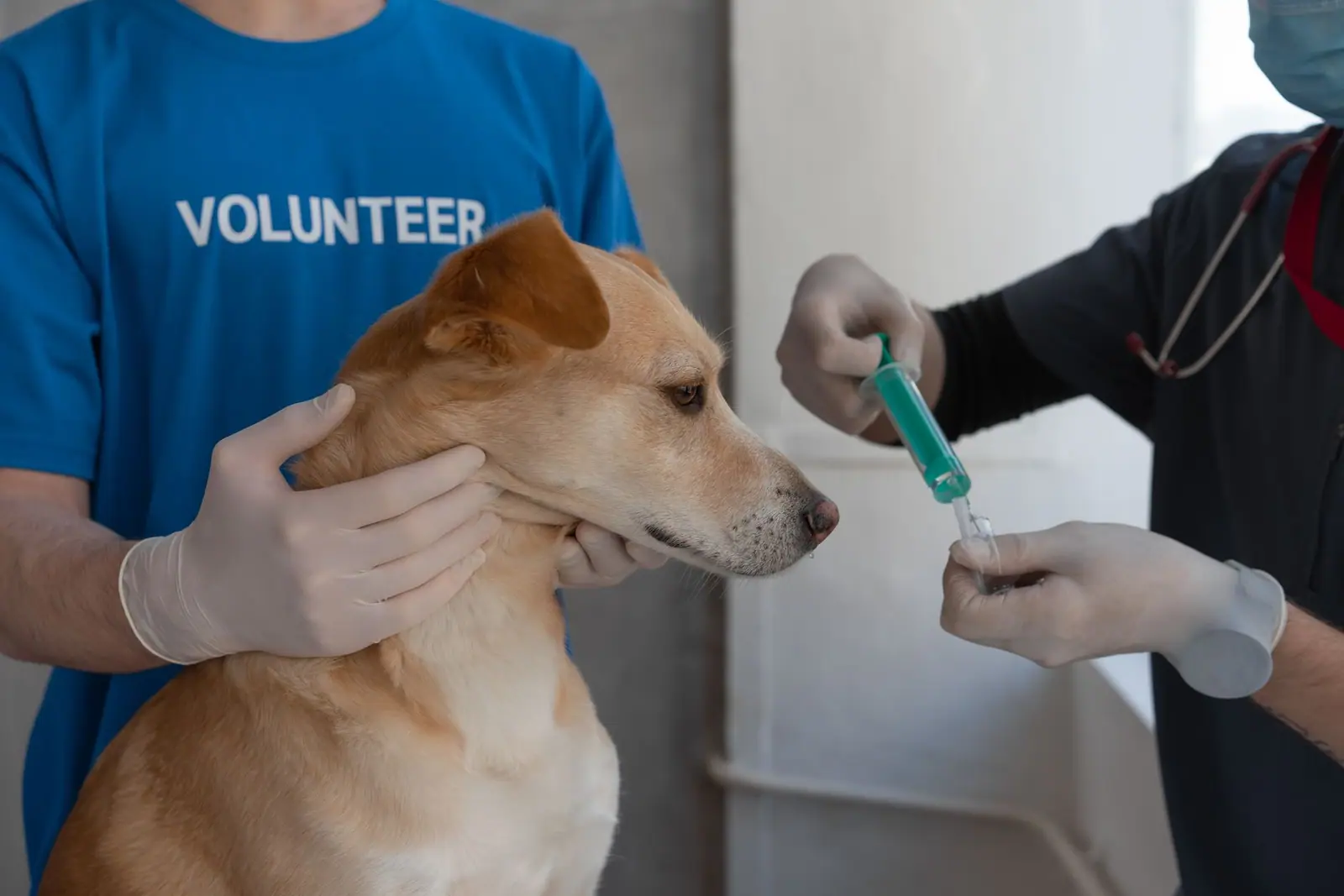
It recommends that puppies begin socialisation classes as early as 7 to 8 weeks of age, and that they should receive at least one set of vaccines seven days before the first class plus a first deworming, and show no signs of illness.
The reasoning it gives is that more dogs under the age of three die because of behaviour problems than because of infectious disease. Fear and aggression that start as under-socialisation are among the most common reasons dogs are relinquished or euthanised.
A puppy that meets fifty friendly strangers before four months becomes a dog that finds strangers unremarkable. A puppy that meets none becomes a dog that finds them alarming, and fixing that later takes months of careful work.
Socialising safely before the series is done
The risk is real and it is manageable. The point is exposure without high-traffic ground where unvaccinated dogs have been.
- Puppy classes that require proof of the first vaccines and clean their floors.
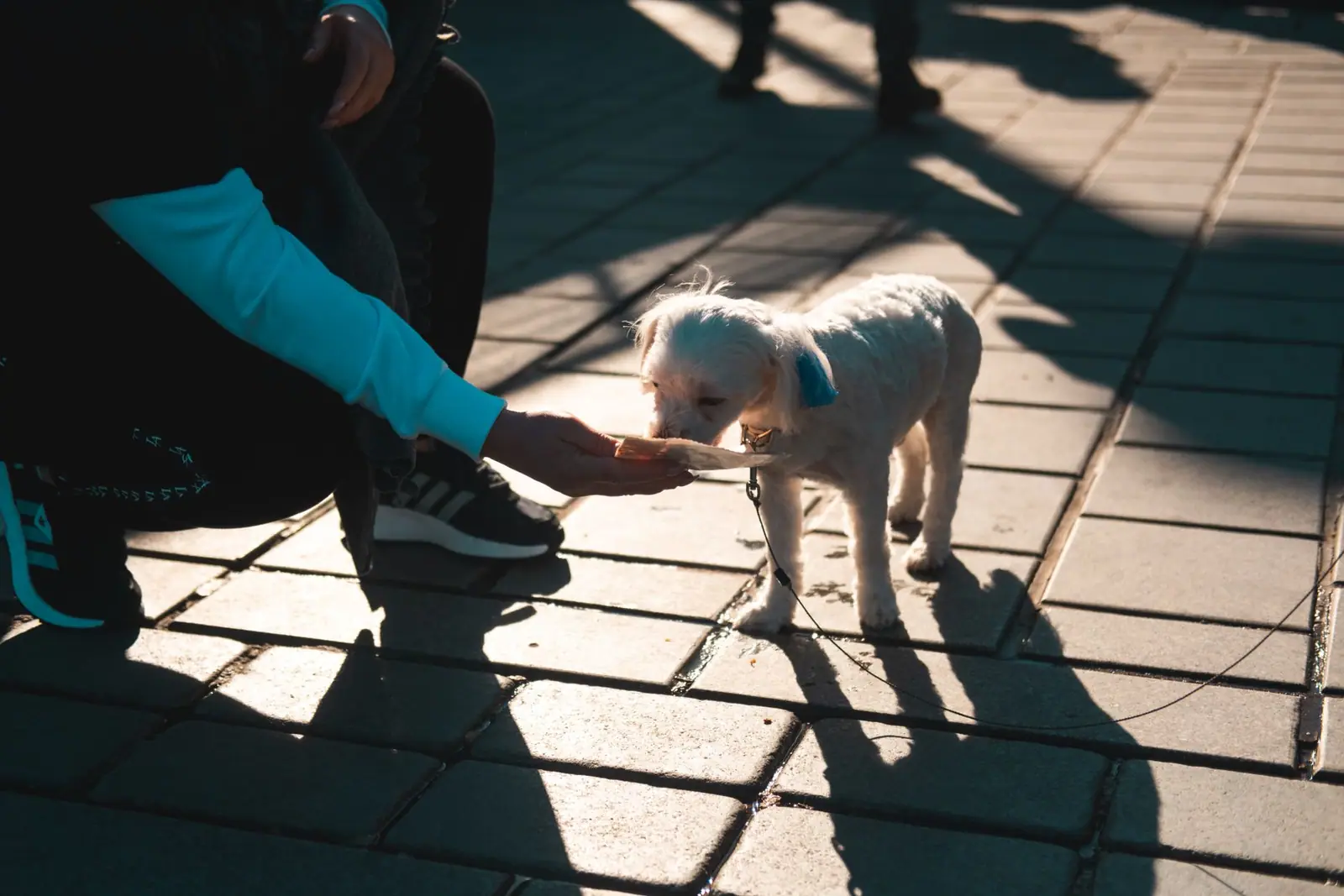
- Carry the puppy through busy places: a high street, a car park, outside a school at pick-up time.
- Your own home, visited by a steady stream of different-looking people. Hats, beards, uniforms, walking sticks, children.
- Friends’ healthy adult dogs in private gardens. Known dogs, known vaccination status.
- Surfaces and sounds. Metal grating, wobbly boards, traffic, vacuum cleaners, thunder recordings played quietly.
- Not yet: public dog parks, pet shop floors, and anywhere unvaccinated dogs pass through.
Quality matters more than quantity
Socialisation is not exposure for its own sake. A puppy dragged into a crowd and frightened has learned that crowds are frightening. The rule of thumb:
- Let the puppy approach, never force it.
- Watch the body language. Tucked tail, flattened ears, freezing, lip licking and turning away all mean too much, too close.
- Keep sessions short and end while it is still going well.
- Pair new things with food so the association forms in the right direction.
- One new thing at a time, not five at once.
What about older dogs
The sensitive period closes but learning does not. An adult dog that missed this window can improve substantially with careful desensitisation work, usually with professional help. It is slower, and the results are usually a dog that copes rather than a dog that is relaxed. That is worth doing, and it is a reason to get the first three months right when you can.
The vaccination guide covers the veterinary plan alongside exposure decisions. The trainer selection guide addresses the people providing structured training.
Questions people ask
When can a puppy meet other dogs?
AVSAB supports puppy classes from 7 to 8 weeks with one set of vaccines given at least a week earlier. Meetings with known, healthy, vaccinated adult dogs in private spaces are also reasonable.
Is it safe to take a puppy outside before vaccinations are complete?
With managed exposure, yes. Avoid ground used by unknown dogs, carry the puppy in busy public places, and choose classes with vaccination requirements and hygiene standards.
How many new people should a puppy meet?
There is no magic number. Aim for variety rather than volume: different ages, appearances, clothing and movement, in short positive sessions.
My puppy is frightened of everything. What now?
Speak to your vet and get help early from a qualified behaviour professional. Fear that is addressed at four months is a much smaller project than fear addressed at two years.
Where these figures come from
- AVSAB Position Statement on Puppy Socialization American Veterinary Society of Animal Behavior · avsab.org
- AVSAB Position Statements American Veterinary Society of Animal Behavior · avsab.org
Figures last checked September 2026.