On this page
Water-change equipment should make the existing care routine manageable without leaving water on the floor or exposing heaters. A simple siphon and dedicated bucket can be enough for a small setup, while a pump or longer hose can help where the drain is distant or the person maintaining the tank cannot carry full containers.
The price is only one part of the choice. Check tank depth, hose reach, the height of the discharge point and where new water will be prepared. The manufacturer’s examples below make those limits concrete, while the volume calculations show what a proposed change means for containers and treatment supplies.
Key figures
- $35.99 Hygger HG955 blue aquarium cleaner
- $69.99 Hygger HG955 black aquarium cleaner
- 9.85 feet HG955 black cleaner maximum pumping height
The two HG955 versions have different prices and lift limits
Hygger publishes these versions of its HG955 electric gravel cleaner. The currently listed prices precede additional checkout charges and do not include an assumed new bucket, treatment bottle or spare equipment.
| Version | Published price | Rated maximum flow | Published maximum head |
|---|---|---|---|
| Blue, 15 W | $35.99 | 360 U.S. gallons/hour | 4.92 feet |
| Black, 20 W | $69.99 | 396 U.S. gallons/hour | 9.85 feet |
Source note: Hygger HG955 product specifications and public variant prices checked October 2026. Maximum flow and maximum head are separate limits, not simultaneous performance promises at every hose height.
The price difference is $34. Do not spend it just because the black version has the larger number. First establish whether the tank, discharge arrangement and attachments require its capability. Conversely, buying the lower-priced pump without checking lift height can leave an unusable tool.
Maximum head describes the height limit against which the pump is rated. Flow generally changes with the arrangement, so the 360-gallon-per-hour label is not a guarantee of that rate at a sink near the head limit. Ask the maker for guidance where hose length, bends or the destination height makes performance uncertain.
Container arithmetic should follow the planned water change
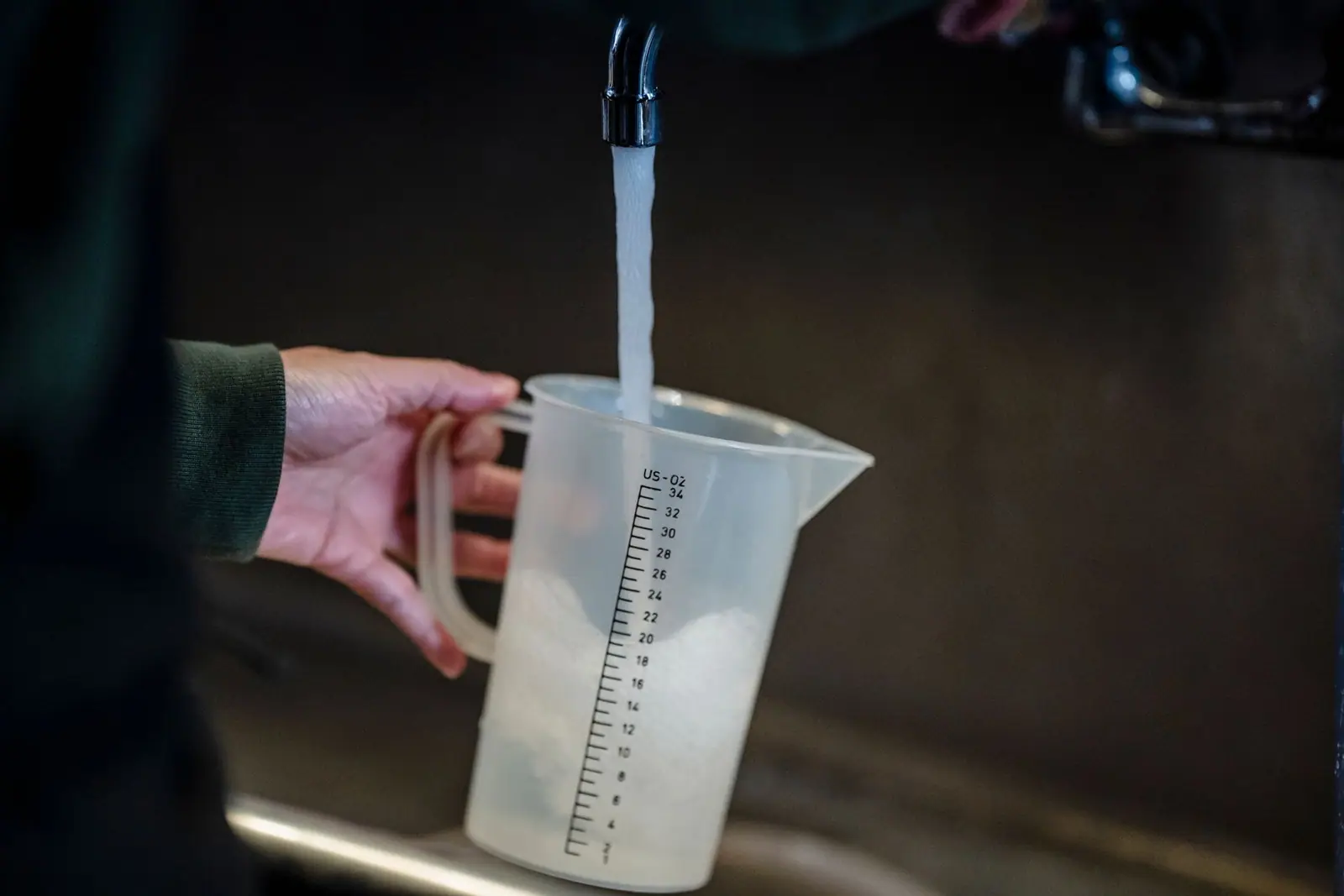
For equipment sizing, suppose a care plan calls for a 25% change of a nominal 20-gallon volume. The calculation is five gallons. The same percentage of 40 gallons is 10, and of 55 gallons is 13.75. These examples are not recommendations to change that percentage in every aquarium.
If a dedicated container has an assumed four-gallon working fill with room left for carrying, the five-gallon example requires two loads. Ten gallons requires three, and 13.75 gallons requires four. A five-gallon label on a bucket does not oblige someone to carry it filled to the brim.
Substrate and decor displace water, so a tank’s nominal size can differ from its operating volume. Use the care plan’s volume basis and measurements rather than treating the examples as exact quantities to remove from a decorated tank. The water-change guide connects volume with the aquarium’s condition and inhabitants.
If moving containers is difficult, compare a compatible hose or pump arrangement with paying for help. Include both draining and refilling. Removing water easily does not solve the return trip when replacement water still has to be carried from another room.
Reach and attachments decide whether the tool fits
HG955’s page describes extension tubes with a working reach from 11.4 to 40.5 inches. Check the tank depth and access through its lid before ordering. A long attachment can reach the bed while still being awkward around hardscape or delicate plants.
A tool that collects particles and returns water through its filter is doing a different job from removing old water. Recirculating debris removal should not be counted as the same volume of replacement water. Confirm which mode and hose arrangement performs each task.
For a hypothetical checkout, the $35.99 cleaner plus an assumed $12 dedicated container and $8 additional hose totals $55.99 before other charges. Only the cleaner price is published. Check the box contents before adding a hose that is already included, and reuse sound equipment already owned.
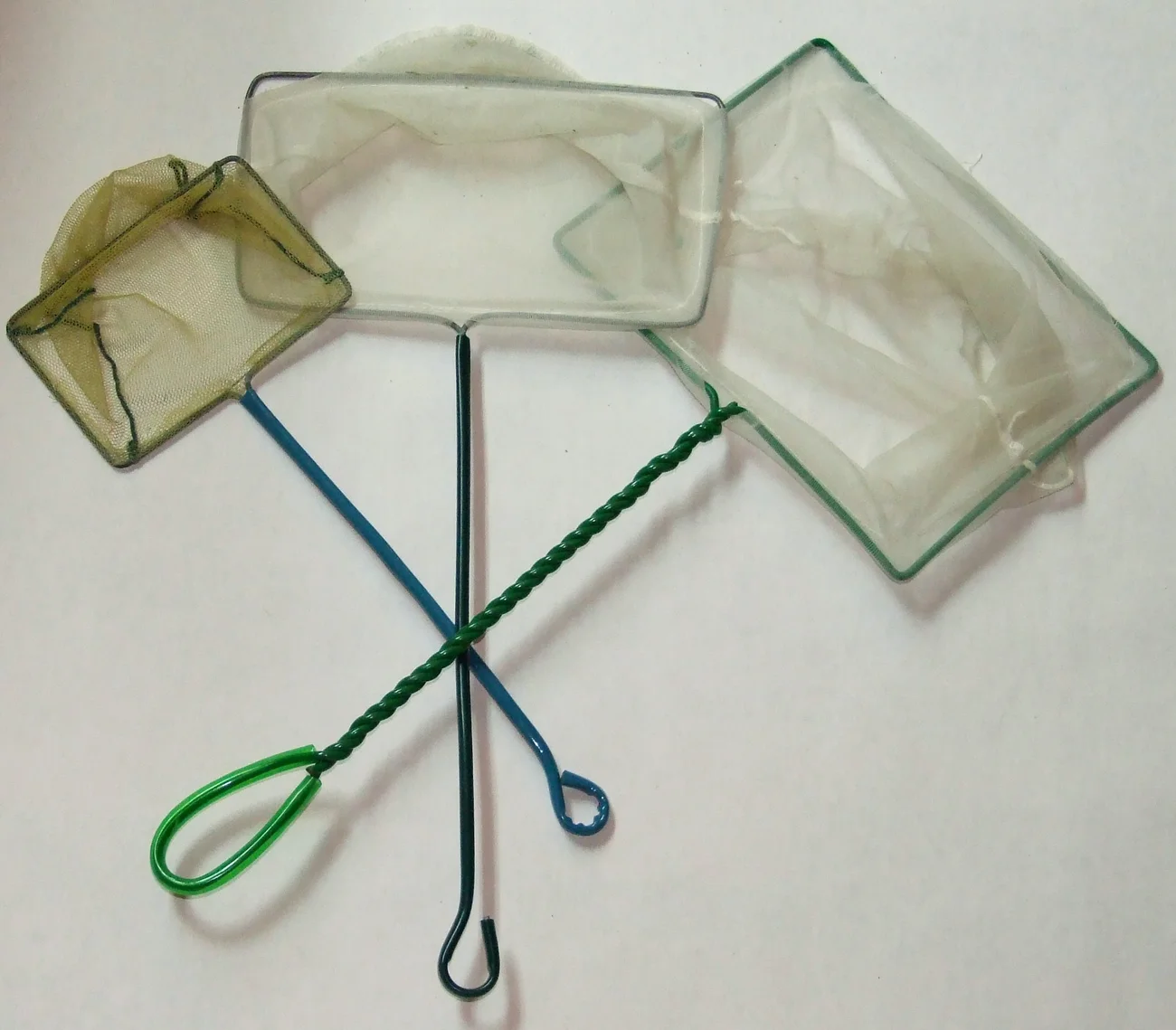
A hand net is an accessory rather than a substitute for a siphon or pump. Avoid buying a large bundle whose attachments will not fit the tank. Replacement parts, suction fittings and the ability to clean the tool can matter more than the count of advertised functions.
Water conditioner is priced by treated volume
Seachem’s standard Prime instructions use 5 mL for 50 U.S. gallons of new water. On that preparation basis, five gallons uses 0.5 mL, 10 uses 1 mL and 13.75 uses 1.375 mL. These calculations apply to that product’s standard directions, not every conditioner or a diagnosis of abnormal water.
At one hypothetical five-gallon change per week, the standard preparation arithmetic uses 26 mL over 52 changes. A hypothetical 100 mL bottle would therefore cover 200 such prepared batches before considering other use or spills. Frequency and bottle size are worksheet inputs, not a published care prescription or bottle price.
The same manufacturer says that when Prime is added directly to the aquarium, dose is based on aquarium volume. A hose refilling the tank should not silently borrow the smaller new-water calculation above. Follow the product’s current directions and the aquarium’s water-preparation plan.
The tap-water chloramine guide explains why allowing tap water to stand is not a universal substitute for treatment. Keep household drinking-water treatment claims separate from the method needed for the aquarium.
Safe handling prevents a cheap tool becoming an expensive cleanup
Keep aquarium equipment out of food-preparation areas and avoid starting a siphon by mouth. CDC fish guidance warns about germs associated with fish and their environment and advises handwashing after handling aquarium water or equipment. Dedicated tools simplify that separation.
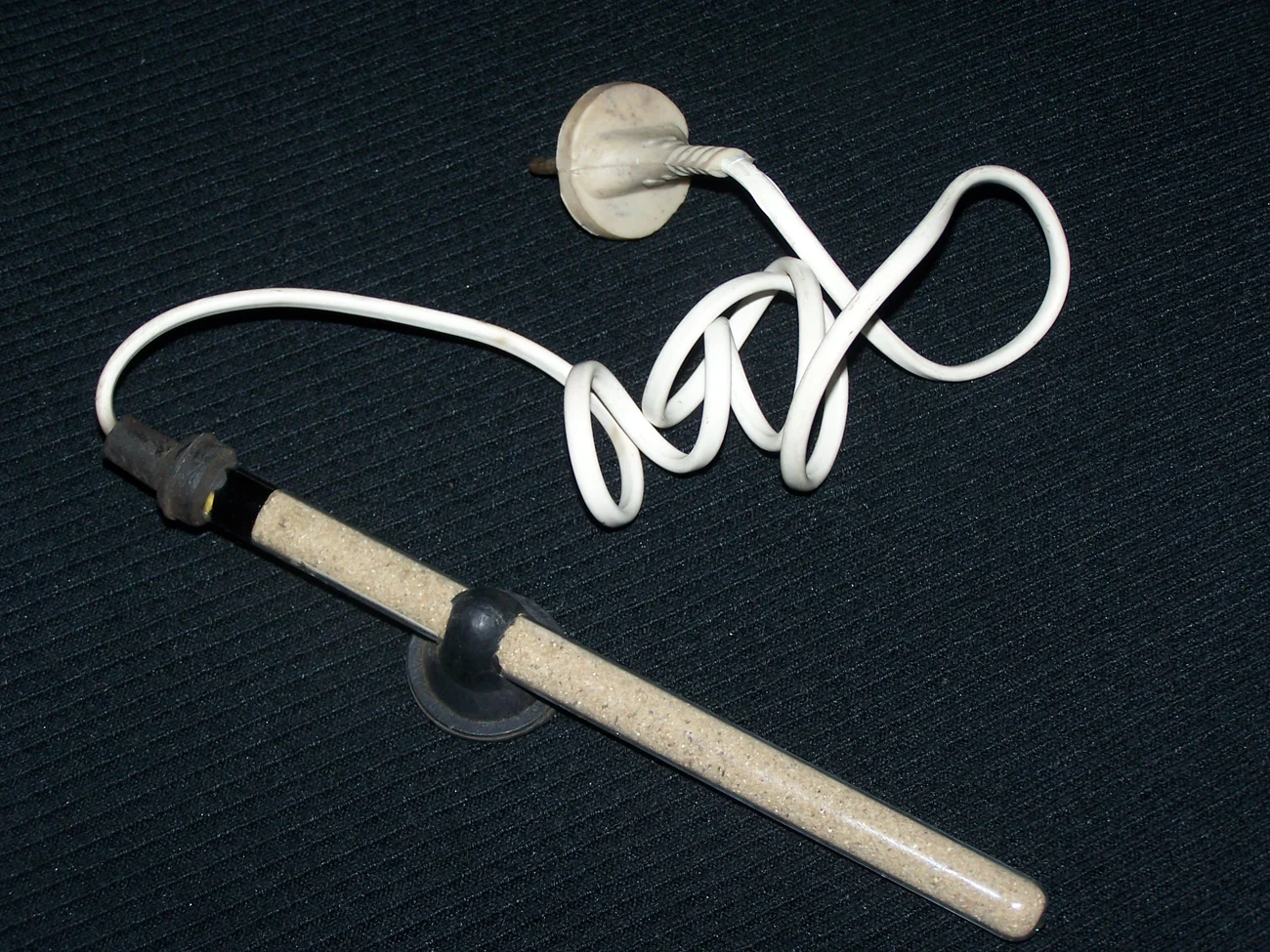
Follow heater and pump instructions before lowering the water. Aqueon’s cold-weather heater guidance calls for unplugging its heater and at least 30 minutes of cooling before removal. Other models can have different procedures; the heater replacement guide explains the need to retain the manual.
Confirm water preparation and the maintenance routine with an aquatic-care professional when the tank’s requirements are uncertain. Follow the electrical and submersion instructions, supervise hoses, and stop before a water level exposes equipment that cannot safely run dry.
Observe the hose path and secure both ends before work begins. Do not leave pumping or refilling unattended because a larger advertised flow suggests the job will finish quickly. Afterward, check the water level, temperature and operation of equipment restored to service.
Track the actual supplies consumed and any time saved over several changes. A powered cleaner can be worth buying for access and handling even if it never saves its purchase price in chemicals. The aquarium care budget should record equipment as a purchase and water preparation as recurring use, rather than treating all tools as annual replacements.
Questions people ask
How much is an electric aquarium gravel cleaner?
The HG955 versions checked here list at $35.99 for 15 W blue and $69.99 for 20 W black, before extra charges. They have different lift limits, so the price comparison should follow the discharge arrangement.
Does maximum flow tell me how long a change takes?
Not by itself. Hose length, bends, attachment mode and lift height affect operation. Maximum head and maximum flow are separate specifications, not a promise of rated flow at every height.
How much water is a 25% change?
The arithmetic is five gallons for 20 gallons and 10 for 40. Those are equipment-planning examples, not a universal maintenance percentage, and a decorated tank may contain less than its nominal volume.
Can I use the new-water conditioner dose during direct filling?
Check the product directions. Prime's standard preparation dose is 5 mL per 50 gallons of new water, but its direct-addition directions use the full aquarium volume. Do not interchange those bases.
Where these figures come from
- HG955 Aquarium Gravel Cleaner Hygger · hygger-online.com
- Prime: Water-Preparation Directions Seachem · seachem.com
- Fish: Healthy Pets, Healthy People Centers for Disease Control and Prevention · cdc.gov
- Fish Tank Heater Tips for Cold Weather Aqueon · aqueon.com
Figures last checked October 2026.