On this page
A substrate replacement budget begins with whether the material has to be changed. Dust, debris or a desire for a different appearance are not the same problem as a product that no longer suits the tank’s chemistry or plant plan. Removing an established bed also creates handling work and can disturb the aquarium’s biological system.
Seachem’s Flourite instructions provide a useful counterexample to the idea that all substrate requires annual replacement. The maker says this porous clay gravel is good for the aquarium’s life. The calculations below explain bag quantities and project costs without turning a cosmetic change into a mandatory recurring purchase.
Key figures
- $60 Example: 13 kg project using 7 kg bags
- $68 Example: 13 kg project using 3.5 kg bags
- $77 Example: 15 kg project using mixed bags
A durable gravel does not create a yearly replacement bill
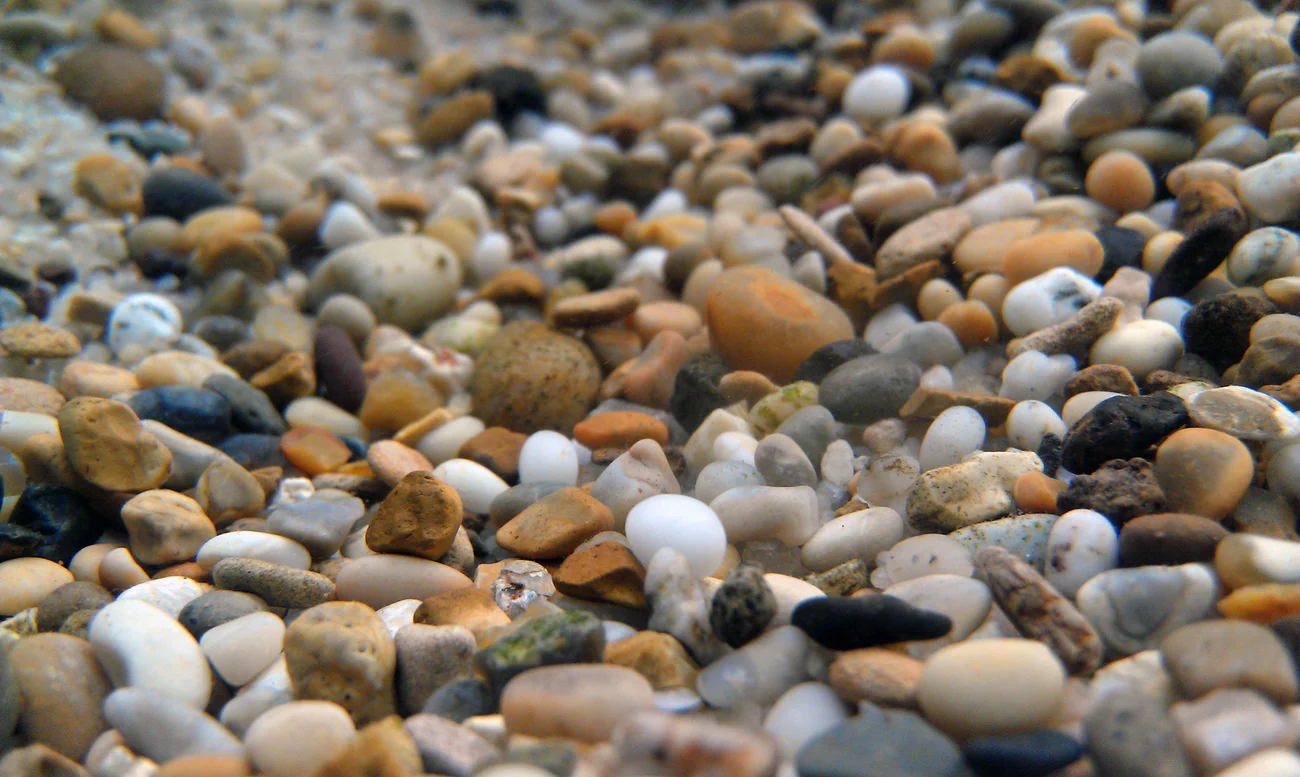
Seachem describes Flourite as a stable gravel for planted freshwater aquariums and says it does not alter water pH. Its product guidance says it need not be replaced. That statement applies to Flourite, not automatically to every active soil, buffering substrate or sand sold for another purpose.
Identify the product already in the tank. Different materials can affect water chemistry, support plants differently or have different maintenance instructions. An appearance change should be labeled as such; do not describe the old material as exhausted without evidence from its specifications or the tank’s condition.
For a cost illustration, replacing a hypothetical $60 bed every year would spend $300 over five purchases. Keeping a suitable durable bed removes those assumed replacement purchases. This is avoided shopping under stated assumptions, not a manufacturer’s promise that all aquarium maintenance becomes free.
The live versus artificial plants guide helps frame the substrate’s purpose. Plant nutrition may need attention separately from buying new gravel. A substrate change is not the only possible response to weak plant growth, and it should not be sold as a cure without finding the cause.
Footprint and depth determine volume before bag shopping
Measure the usable inside length and width of the substrate bed and the intended average depth. Gallons describe the tank’s volume, not the bottom area. A tall narrow tank and a shallow wide tank can need different amounts of substrate despite similar water capacities.
For geometry only, a hypothetical 30-inch by 12-inch bed at two inches deep occupies 720 cubic inches. At three inches, it occupies 1,080 cubic inches, an increase of 50%. These are ideal rectangular volumes before allowance for slopes, rocks or other displacement, not published bag coverage for Flourite.
For a sloping bed, use the intended average depth or the material maker’s calculator. Seachem’s substrate calculators ask for depth, width and length and round bag counts upward. The project inputs should be measured; copying another tank’s bag count can buy too little material or leave a large unused remainder.
Do not convert cubic inches straight to kilograms without a product’s bulk-density or coverage basis. Gravel and sand can have different densities and particle arrangements. The 13 kg mass in the following example is an assumed shopping requirement after a material-specific calculation, not a claimed mass for the geometric example above.
Whole-bag arithmetic changes the checkout total
Flourite’s documented package sizes are 3.5 kg and 7 kg. Here is a deliberately hypothetical price comparison showing how those sizes affect purchasing.
| Assumed project requirement | Package choice | Bags purchased | Material purchased | Assumed bag price | Total |
|---|---|---|---|---|---|
| 13 kg | 7 kg | 2 | 14 kg | $30 | $60 |
| 13 kg | 3.5 kg | 4 | 14 kg | $17 | $68 |
| 15 kg | 7 kg only | 3 | 21 kg | $30 | $90 |
| 15 kg | Two 7 kg plus one 3.5 kg | 3 mixed | 17.5 kg | $30 / $17 | $77 |
Source note: Seachem publishes the package sizes and explains whole-bag rounding. Required mass and prices are worksheet assumptions, not retail quotes or coverage instructions. Use the product calculator and seller’s current delivered prices for a purchase.
- 13 kg: two 7 kg bags$60
- 13 kg: four 3.5 kg bags$68
- 15 kg: three 7 kg bags$90
- 15 kg: mixed bag sizes$77
Source note: Seachem publishes the package sizes and explains whole-bag rounding. Required mass and prices are worksheet assumptions, not retail quotes or coverage instructions. Use the product calculator and seller's current delivered prices for a purchase.
For the 13 kg assumption, either package arrangement leaves 1 kg beyond the requirement, but the assumed small-bag route costs $8 more. For the 15 kg assumption, the mixed purchase leaves 2.5 kg and costs $13 less than three large bags. A price-per-kilogram comparison without rounding would miss the cash paid at checkout.
Check whether shipping changes the decision. A hypothetical $12 delivery charge on the $60 route brings it to $72, while local collection of the $68 route could be cheaper in cash before travel costs. The delivery amount is an assumption to verify, not a fee charged by Seachem.
Preparation and disposal are project costs
Seachem says Flourite can become dusty in transit despite being prewashed and may need rinsing. Allow for preparation space, containers and cleanup before the tank is disturbed. Follow the instructions for the material being bought; not every substrate should be handled in the same way.
Do not rinse aquarium material using soap or household cleaner. Keep the equipment for tank work separate from contaminated cleaning tools. Record who removes the old material and where it can be disposed of without putting aquarium contents into a natural waterway.
If help is paid by the hour, ask which tasks count as labor: draining, moving decor, rinsing, replacing the bed, refilling and testing can all take time. The professional maintenance quote guide explains how minimums and rounding affect a bill. A cheaper bag does not guarantee a cheaper installed project.
As a hypothetical project, $60 of bags plus $15 of extra containers and $25 of testing supplies totals $100 before labor or checkout charges. Reuse working equipment already owned instead of adding it again as new spending. Any products not needed for the plan should remain outside the shopping list.
The biological system has to remain part of the plan
University of Florida IFAS Extension explains that nitrifying bacteria colonize a biofilter and require oxygen. Established surfaces are part of the system, so removing material and cleaning equipment aggressively at the same time can change more than the tank’s appearance.
The nitrogen-cycle guide covers why an aquarium can require monitoring after major changes. Keep the existing filter plan, the animals’ holding arrangements and post-project tests visible rather than assuming fresh substrate makes the water safe immediately.
Agree on the change and livestock arrangements with an aquatic-care professional when the aquarium’s stability or species requirements are uncertain. A substrate purchase is not a diagnosis, and a budget should not encourage dismantling an otherwise stable aquarium without a reason.
Keep the material name, quantity purchased, actual installed amount and receipts. Store suitable leftovers dry or as directed by the manufacturer, and do not count them as waste automatically. The aquarium care budget should record a replacement or rescape as a project, with testing and other recurring supplies tracked separately.
Questions people ask
Does aquarium gravel need annual replacement?
Not universally. Seachem says Flourite is good for the aquarium's life and need not be replaced. Other substrate products can differ; identify the material and the problem before budgeting a recurring purchase.
How many bags should I buy?
Use the material maker's coverage calculator with tank footprint and average depth, then round up to whole bags. In the assumed 13 kg example, two 7 kg bags or four 3.5 kg bags both supply 14 kg.
Why is the cheapest price per kilogram not enough?
Whole packages, delivery and leftover quantity determine cash paid. An assumed 15 kg requirement costs $90 with three hypothetical $30 large bags, versus $77 using two large bags and one hypothetical $17 small bag.
Can new substrate replace water testing?
No. A change can disturb the existing biological arrangement. Keep a monitoring plan and the filter's operating requirements rather than assuming new material proves stable water quality.
Where these figures come from
- Flourite: Durability, Preparation and Package Sizes Seachem · seachem.com
- Substrate Calculators and Whole-Bag Rounding Seachem · seachem.com
- Ammonia in Aquatic Systems University of Florida IFAS Extension · edis.ifas.ufl.edu
Figures last checked October 2026.