On this page
A nest-box purchase should match the number of laying hens and the way eggs will be collected. More boxes can create unnecessary expense and take up coop space, while too little usable nesting space can leave birds competing for the same location. The box count also differs from the space needed for roosting and movement.
The manufacturer example below was checked in October 2026 and gives a price for a metal roll-out suite. It is not a national range for every wooden or plastic nest. A homemade nest can cost less in materials, but a comparison needs to include hardware, cleaning access and any tools or paid construction.
Key figures
- $159.99 RentACoop roll-out metal nesting suite
- $120 Example: DIY nesting boxes, materials and hardware
- 10–12 hens Approximate hen capacity of RentACoop nesting suite
One box can serve four to five layers
Minnesota Extension’s guidance is one nest per four to five birds. Using that ratio, round upward to whole boxes rather than buying a fraction of a nest. The result is a starting layout guideline, not proof that a flock will use every box equally.
| Number of laying hens | Boxes at one per five | Boxes at one per four |
|---|---|---|
| 4 | 1 | 1 |
| 8 | 2 | 2 |
| 10 | 2 | 3 |
| 12 | 3 | 3 |
| 13 | 3 | 4 |
| 16 | 4 | 4 |
Source note: University of Minnesota Extension supplies the one-per-four-to-five guideline. Counts above are calculations rounded up to whole nest boxes. The ratio describes laying hens, not a guarantee about use or egg production.
Four hens therefore do not automatically call for four nests. At the other end, thirteen hens sit at a boundary where three or four boxes follow the guideline. Observe how the flock uses its layout and account for breed size and crowding rather than treating a ratio as a promise that every design works.
Count existing usable nests before ordering new ones. A coop sold with three nest compartments may already provide the planned starting number for twelve hens. Adding another suite because nests are listed separately in an accessories catalog would count a new optional purchase, not reveal a missing mandatory cost.
The coop space guide covers the wider housing layout. Nest boxes should not be counted as a replacement for movement space or roosting places, and a shelf labeled as a nest does not become usable merely because it adds to a sales-page total.
A three-compartment roll-out suite lists $159.99
RentACoop’s reversible metal nesting suite has three compartments and a published $159.99 price. The manufacturer describes it for approximately 10–12 hens and lists a collection tray, privacy curtain, hardware and instructions. The listing was available in its current catalog when checked.
At $159.99 for three compartments, the equipment ratio is $53.33 per compartment. A hypothetical twelve-hen use gives about $13.33 of suite purchase cost per hen; six hens using the same unit makes that ratio $26.67. These divisions describe purchase allocation, not the product’s effect on productivity.
The suite’s roll-out arrangement moves eggs toward a collection tray. That can change collection access and help keep eggs away from hens after laying. It does not make inspection or cleaning unnecessary, nor does it guarantee an end to dirty eggs, breakage or broody behavior.
Two identical suites cost $319.98 and provide six compartments. That is one possible equipment combination for a larger project, but not the only way to add one extra nest. If the flock needs four boxes, ask whether an existing box or a separate single unit can provide the added space before buying two full suites.
Confirm how the reversible arrangement mounts in the coop and where the collection tray will be accessed. A product that can mount inside or outside still needs the right surround and enough room to remove parts. Do not open a new exterior gap without including its weather and predator protection in the job.
DIY material costs need all the parts in the comparison
For a clearly hypothetical three-box build, allow $90 material and $30 hardware. The $120 subtotal is $39.99 below the listed suite price before tools and labor. That gap is about 25% of $159.99, but it does not prove that homemade construction is better or cheaper to finish.
If the project also requires an assumed $50 tool purchase, cash spending becomes $170, which is $10.01 above the suite before any shipping difference. If those tools are already owned, they create no new checkout cost. State that distinction rather than assigning an invented rental charge to every household.
If a person is hired for two hours at a hypothetical $40 per hour, the $120 material-and-hardware project becomes $200. If the ready-made unit needs an assumed $40 mounting service, its installed subtotal is $199.99. Aligning the scope makes the difference almost disappear in this example.
Those are worksheet assumptions, not local construction rates. Collect prices for the proposed materials and a labor quote where needed. The DIY design should allow cleaning and avoid sharp edges; a low material total is not a reason to accept a box that injures birds or cannot be maintained.
Collection and cleaning determine daily access
Compare the reach to eggs, the space to remove bedding or pads and the ability to inspect corners. A box fitted where it is awkward to clean can leave recurring work larger than the purchase-price saving. A roll-out tray that cannot slide out past a wall or feeder loses part of its advertised convenience.
For a time worksheet, assume nest cleaning and inspection take an extra 15 minutes each week in one layout. Over 52 weeks, that is 13 hours. That is household time, not a cash expense unless labor is purchased; it should not be claimed as a saving in dollars without a change in a paid bill.
Price replaceable mats, curtains or bedding as the parts and instructions call for them. An assumed $5 monthly bedding allocation totals $60 per year, but it is not the manufacturer’s stated consumable cost. If bedding already appears in the coop budget, allocate it once rather than adding another full bedding bill for nests.
The coop bedding guide covers the material and moisture question. Good access supports maintaining the nest; choosing a washable surface does not eliminate the need to inspect soiling or damaged fittings.
A nest upgrade does not guarantee more eggs
Nests give hens a laying location, but production depends on the birds and their care. Age, season and other conditions can reduce laying even when the nest count has not changed. A budget should not forecast extra eggs simply by adding another compartment.
For a hypothetical payback test, suppose a $159.99 suite prevented the loss of 24 otherwise unusable eggs in a year. At an assumed $6 per dozen for comparable replacement eggs, that is $12 a year, giving about 13.3 years to offset the purchase. The improvement itself is hypothetical, so this is not a product benefit claim.
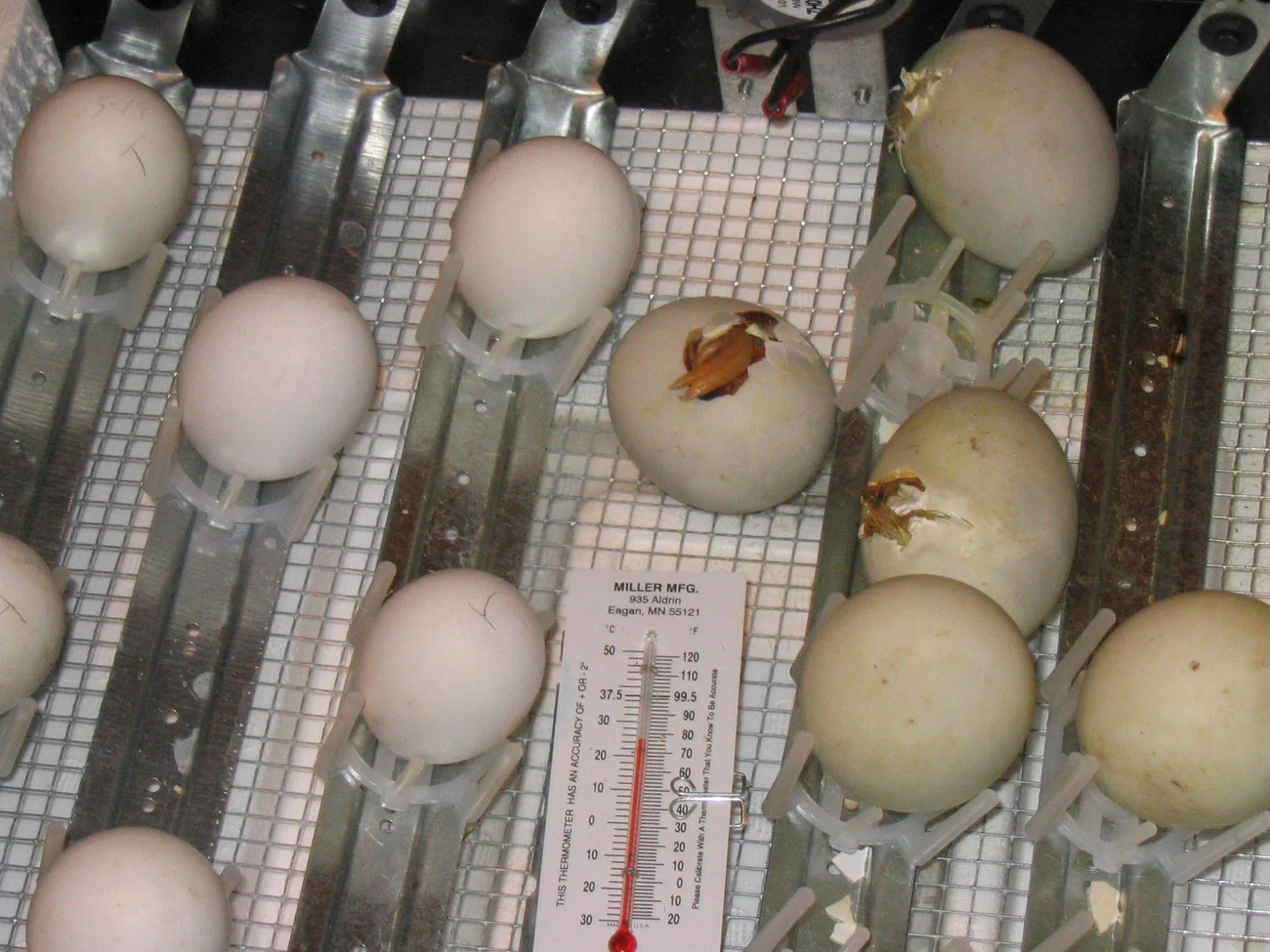
The laying changes guide explains why a new nest may not address the cause of falling production. Buy the layout for housing and collection requirements, and treat any measured reduction in loss as evidence gathered later. If the purpose is hatching rather than routine egg collection, consider the separate incubator project budget before buying roll-out hardware that removes eggs from a sitting hen.
Follow the nest manufacturer’s mounting instructions and preserve weather and predator protection around any exterior opening. Check sharp edges, stability and access before letting hens use a new or modified box.
CDC advises handwashing after handling poultry or their environment and cleaning poultry supplies outside the home. Keep a practical place for that work in the layout. A removable tray carried through a kitchen is not an improvement simply because egg collection became easier.
Questions people ask
How many nest boxes do eight hens need?
Minnesota's one-per-four-to-five guideline gives two boxes for eight layers. The design still needs enough usable space, access and observation of flock behavior.
How much is a ready-made three-box suite?
The named RentACoop metal roll-out suite lists $159.99 and is described for about 10–12 hens. Mounting work, added delivery or consumables can change the total.
Is a $120 DIY build cheaper than the suite?
That hypothetical subtotal excludes tools and labor. An added $50 tool purchase makes it $170; paid construction changes it again. Compare the same finished scope.
Will more boxes make hens lay more eggs?
An added laying location is not a production guarantee. Check the flock's age, season and care as well as nest use when laying changes.
Where these figures come from
- Raising Chickens for Eggs: Nest-Box Ratio University of Minnesota Extension · extension.umn.edu
- Roll-Out Reversible Nesting Box Suite: Price and Capacity RentACoop · rentacoop.com
- Backyard Poultry: Cleaning and Handwashing CDC · cdc.gov
Figures last checked October 2026.