On this page
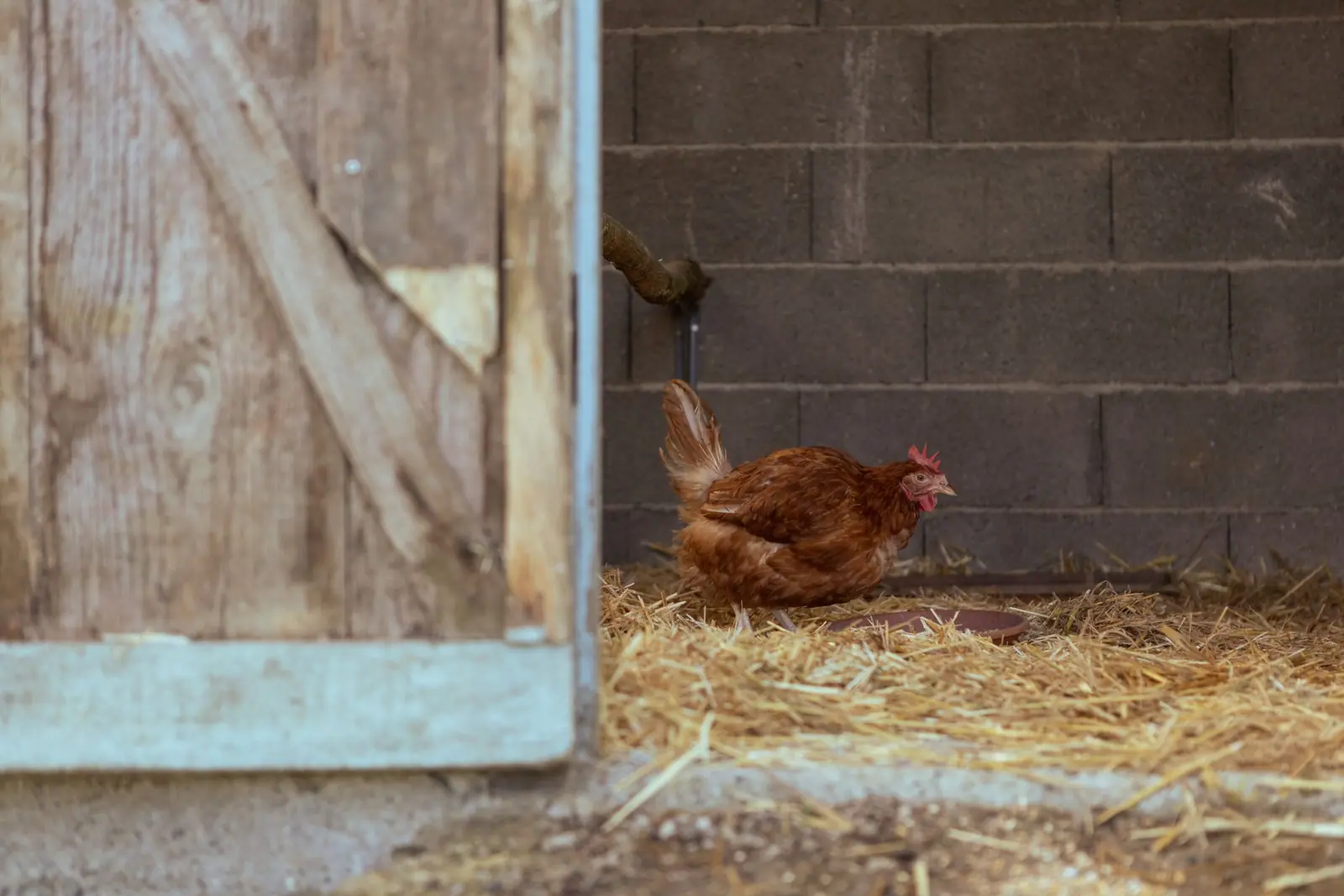
Bedding, also called litter, does a lot of quiet work. It absorbs droppings, controls odor, cushions landings from the roost and, when it is finally cleaned out, feeds the compost pile.
The material matters less than keeping it dry.
How the common options compare
The Extension Foundation’s small-flock program says that in general the best litter is wood shavings from a softwood such as pine, spruce or hemlock, with pine preferred. Other materials researchers have tested include straw, sand, leaves, paper products, rice hulls and chopped corncobs.
| Material | Strengths | Weaknesses |
|---|---|---|
| Pine shavings | Absorbent, soft, easy to rake | Cost has risen in some areas |
| Straw (chopped) | Cheap, good insulation | Mats when wet, can hide mites |
| Sand | Dries fast, easy to sift | Heavy, cold in winter, no composting |
| Dry leaves | Free in fall | Break down fast, can be dusty |
| Shredded paper | Often free | Mats and stays wet |
Two ways to manage it
Clean out regularly. Scoop droppings under the roosts often and replace all the bedding every few weeks. Simple, but it uses more material.
Deep litter. Start with a few inches of shavings, stir in fresh bedding on top as it gets dirty, and clean out completely once or twice a year. Done well, the lower layers begin to compost. It only works if the coop is well ventilated and the litter stays dry. A wet deep litter is just a smelly one.
Keep it dry
- Fix leaks in the roof and around waterers first.
- Raise the waterer to back height so birds do not spill it.
- Remove wet patches as soon as you see them.
- Add a droppings board under the roost to catch most of the mess.
Cedar has strong aromatic oils and is widely avoided for poultry bedding. Pine shavings sold for animal bedding are the safer choice.
The feed-storage guide addresses a different stored material. The ventilation guide connects bedding conditions with the housing environment.
Questions people ask
What is the best bedding for a chicken coop?
Pine shavings are the standard choice. The Extension Foundation calls softwood shavings, especially pine, the best general litter.
How often should I change chicken bedding?
With regular cleaning, every few weeks. With the deep litter method, add fresh material on top and clean out once or twice a year.
Is sand good for chicken coops?
Sand dries quickly and sifts clean, but it is heavy, cold in winter and does not compost.
Can I use used chicken bedding in my garden?
Yes, after composting it thoroughly. Fresh chicken manure is too strong for plants and can carry germs.
Where these figures come from
- Litter Material for Small and Backyard Poultry Flocks Extension Foundation, Small and Backyard Poultry · poultry.extension.org
Figures last checked September 2026.